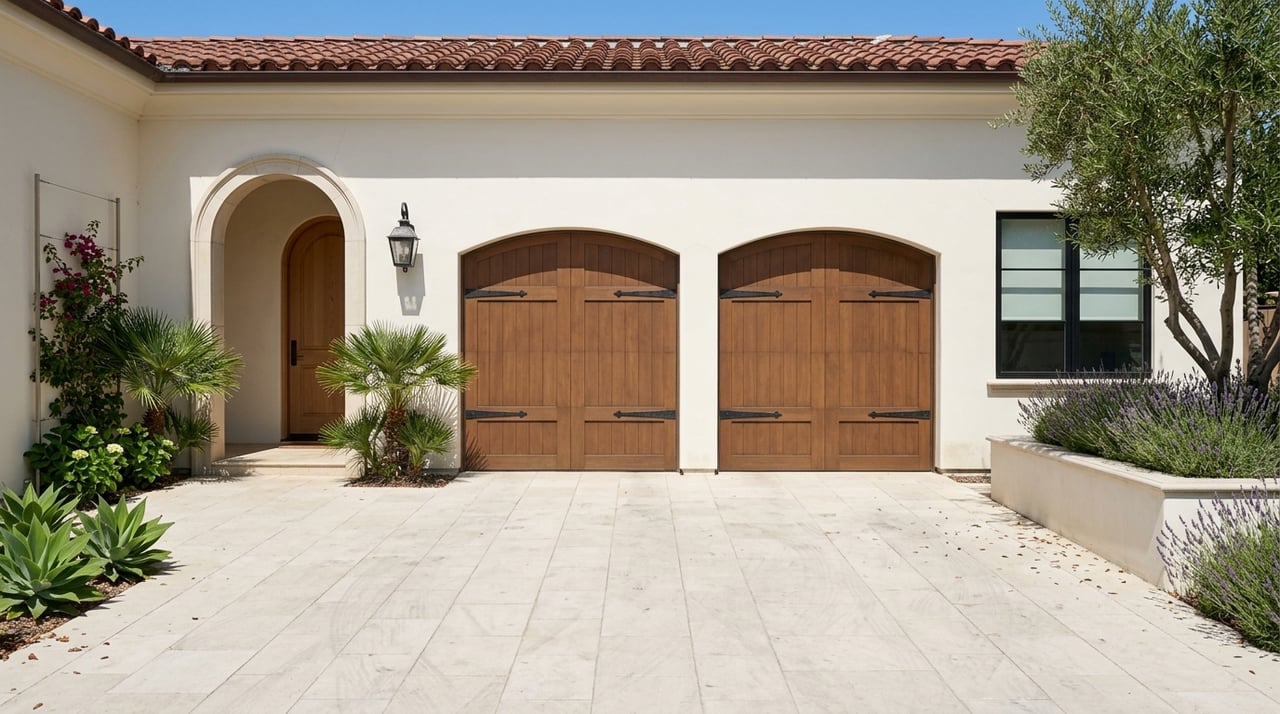
Dreaming about a place by the water where you can unplug for a weekend or stay a little longer? If you are considering buying a second home or getaway in Dana Point, you are not alone. This coastal Orange County market offers a strong lifestyle draw, but it also comes with higher price points, local rules, and carrying costs that deserve a careful look. This guide will help you think through the big decisions so you can buy with more clarity and confidence. Let’s dive in.
Why Dana Point Appeals to Second-Home Buyers
Dana Point stands out because it offers more than just a house near the coast. You get harbor access, beaches, whale-watching activity, and a calendar of city-run events that support year-round enjoyment. Official city pages highlight attractions like Dana Point Harbor, the Festival of Whales, the Harbor Boat Parade, and Fourth of July fireworks, which helps explain why the area stays on buyers’ radar.
For many second-home buyers, that mix matters. You may want a property that gives you personal enjoyment now while also holding long-term appeal in a well-known coastal market. Dana Point fits that lifestyle-first mindset, especially if you value easy access to outdoor recreation and waterfront amenities.
Dana Point Market Snapshot
Dana Point is firmly in the premium coastal category. Redfin reported a March 2026 median sale price of $2,386,500, with homes averaging 36 days on market and about 3 offers per home. That suggests you are shopping in a market where pricing is elevated, but homes are still drawing steady interest.
The condo segment also reflects that premium range. Redfin showed a median condo listing price of about $1.2 million, which means even attached options can represent a significant investment. If you are planning a second home here, it helps to set expectations early around pricing, financing, and monthly ownership costs.
Property Types to Consider
Dana Point offers more than one path into the market. According to the city’s housing element, the local housing mix includes detached single-family homes, attached single-family homes, duplexes, condominiums, townhomes, and multifamily dwellings. Single-family detached homes are the most common type, but condos and townhomes remain active choices for many buyers.
That variety can be helpful if you are balancing lifestyle with upkeep. A detached home may offer more privacy and flexibility, while a condo or townhome may reduce some maintenance responsibility. The right fit often depends on how often you plan to use the home, how much upkeep you want to handle, and whether you are considering any part-time rental strategy.
Think Personal Use First
When you buy a getaway property in Dana Point, the most reliable starting point is personal use. The city’s harbor, beaches, and event calendar support that approach, and the local market tends to reward buyers who are clear about why they want to own there. If your main goal is to create a place for regular escapes, family visits, or longer seasonal stays, Dana Point can make a lot of sense.
This matters because rental income should not be treated as automatic. In a market with local permit caps, HOA considerations, and premium holding costs, your ownership plan needs to work even if the property is primarily for you. That mindset can lead to a more stable decision and fewer surprises later.
Financing a Second Home in Dana Point
Financing can look different here than it does in lower-priced markets. For 2026, the one-unit conforming loan limit in Orange County is $1,249,125. Since Dana Point’s reported median sale price sits well above that number, many financed purchases are likely to fall into jumbo loan territory.
That matters because jumbo financing often comes with stricter underwriting, larger down payment expectations, and closer review of assets and income. If you are buying in a premium coastal market, it is smart to understand your financing lane before you start touring homes in earnest.
There is also an important distinction between a true second home and an investment property. Fannie Mae’s second-home rules require some personal occupancy during the year, apply to one-unit dwellings, require the property to be suitable for year-round use, and require your exclusive control of the home. Fannie Mae also states that while rental income may exist on a second home, that income cannot be used to qualify for the loan if the property is being delivered as a second home.
VA and FHA financing are generally less common for a true getaway purchase. Those programs are tied to owner occupancy for a principal residence, so they are usually not the fit for a second-home scenario in Dana Point.
Carrying Costs You Should Budget For
The price of the property is only part of the equation. In California, property taxes are shaped by Proposition 13, which generally limits annual increases in assessed value until there is a reassessable change in ownership or new construction. Orange County Assessor guidance also notes that the homeowners’ exemption applies only to a qualifying owner-occupied principal residence, so a second home typically does not receive that reduction.
You should also look beyond base property tax. County and state guidance make clear that tax bills can include special assessments and special taxes, including Mello-Roos in some cases. For a second home in Dana Point, your carrying-cost estimate should include all parcel-specific charges, not just the headline tax rate.
Insurance is another major planning item, especially near the coast. Flood insurance is separate from homeowners insurance, and FEMA says it is required for homes in Special Flood Hazard Areas when the mortgage is backed by certain government lenders. FEMA also notes that flood policies often have a waiting period before taking effect, so this is not something to leave until the last minute.
Earthquake coverage deserves its own review as well. The California Department of Insurance says standard homeowners policies generally do not cover earthquake damage, and the California Earthquake Authority is the main residential earthquake insurer in the state. If you want a realistic monthly ownership picture, insurance should be part of your early budgeting, not an afterthought.
HOA Rules Can Shape Your Options
If you are leaning toward a condo or townhome, read the HOA documents carefully. Attached communities can be appealing because of shared maintenance and lock-and-leave convenience, but they can also come with rules that affect how you use the property. This becomes especially important if you hope to rent the home on a part-time basis.
In Dana Point, HOA restrictions can be a real deciding factor. The city’s short-term rental rules require HOA confirmation in the Coastal Zone, which means the association’s position may directly affect whether a rental strategy is even possible. Before you fall in love with an attached property, make sure the governing documents align with your intended use.
Understand Dana Point Short-Term Rental Rules
If rental income is part of your thought process, you need to understand the city’s short-term rental framework before you buy. Dana Point defines a short-term rental as a rental of at least two consecutive nights but no more than 30 consecutive days. The city issues permits through a local program and places caps on permits both inside and outside the Coastal Zone.
Current city rules cap permits at 115 in the Coastal Zone and 115 outside the Coastal Zone, with a 60-permit cap for non-primary short-term rentals. The city also prioritizes home-stay and primary-residence categories, limits each owner to one short-term rental permit, and states that permits do not transfer when a property is sold. In practical terms, that means you cannot assume a seller’s permit will carry over to you.
The city also actively enforces these rules. Dana Point states that violations can lead to notices, fines, and permit revocation, and local regulations address issues like quiet hours and occupancy management. On top of that, the city’s FY2026 mid-year budget report shows a 10% transient occupancy tax on the nightly room charge.
All of this points to one conclusion: treat rental income as uncertain, not guaranteed. If a home only works financially when short-term rental income goes perfectly to plan, it may not be the right second-home purchase.
A Simple Way to Compare Properties
When you compare second-home options in Dana Point, it helps to test each property against three separate questions:
- Does it work well for your personal use?
- Does it fit your financing path?
- Does any rental strategy still make sense under city rules and HOA restrictions?
If a property checks only one or two of those boxes, you may want to keep looking. In a high-cost coastal market, the strongest purchases are usually the ones that still feel good even without optimistic assumptions.
What a Smart Buying Process Looks Like
A thoughtful second-home purchase in Dana Point usually starts with planning, not touring. Before you start looking seriously, you should have a working budget that includes purchase price, financing structure, property taxes, insurance, HOA dues if applicable, and any special assessments. That gives you a clearer comfort zone.
From there, narrow your search by intended use. If you want low-maintenance ownership, attached housing may rise to the top. If flexibility and control matter most, a detached home may be worth the higher entry point.
Finally, do your due diligence early. In Dana Point, that means reviewing flood exposure, earthquake insurance options, HOA documents, permit realities, and the likely financing category before you are too far down the road. A careful approach is especially valuable in a market where lifestyle appeal and technical details are equally important.
Buying a second home or getaway in Dana Point can be a rewarding move if you go in with clear expectations. The city offers a true coastal lifestyle with year-round appeal, but it also asks buyers to think carefully about price, financing, insurance, taxes, and rental limits. If you want guidance that is calm, detailed, and tailored to your goals, Shaun Hurley Homes can help you evaluate the options and move forward with confidence.
FAQs
What makes Dana Point attractive for a second home?
- Dana Point offers beaches, harbor access, whale-watching activity, and recurring city events that support year-round coastal use and lifestyle appeal.
What is the typical price range for a second home in Dana Point?
- As of March 2026, Redfin reported a median sale price of $2,386,500 in Dana Point, while the median condo listing price was about $1.2 million.
What property types can you buy in Dana Point for a getaway home?
- Dana Point includes detached single-family homes, attached single-family homes, duplexes, condos, townhomes, and multifamily dwellings, giving buyers several ownership options.
Do second-home buyers in Dana Point often need jumbo loans?
- Often, yes. The 2026 one-unit conforming loan limit in Orange County is $1,249,125, which is well below Dana Point’s reported median sale price.
Can you use short-term rental income to qualify for a Dana Point second-home loan?
- Under Fannie Mae second-home rules, rental income may exist, but it cannot be used to qualify for the loan if the property is being delivered as a second home.
Are short-term rentals allowed for second homes in Dana Point?
- They may be allowed in some cases, but the city has permit caps, one-per-owner limits, non-transferable permits, and additional HOA-related requirements in the Coastal Zone.
What extra ownership costs should you expect for a Dana Point second home?
- You should budget for property taxes, possible special assessments or special taxes, homeowners insurance, possible flood insurance, possible earthquake coverage, and HOA dues if the property is in an attached community.
Do standard homeowners insurance policies cover earthquake damage in Dana Point?
- No. The California Department of Insurance says standard homeowners policies generally do not cover earthquake damage.
