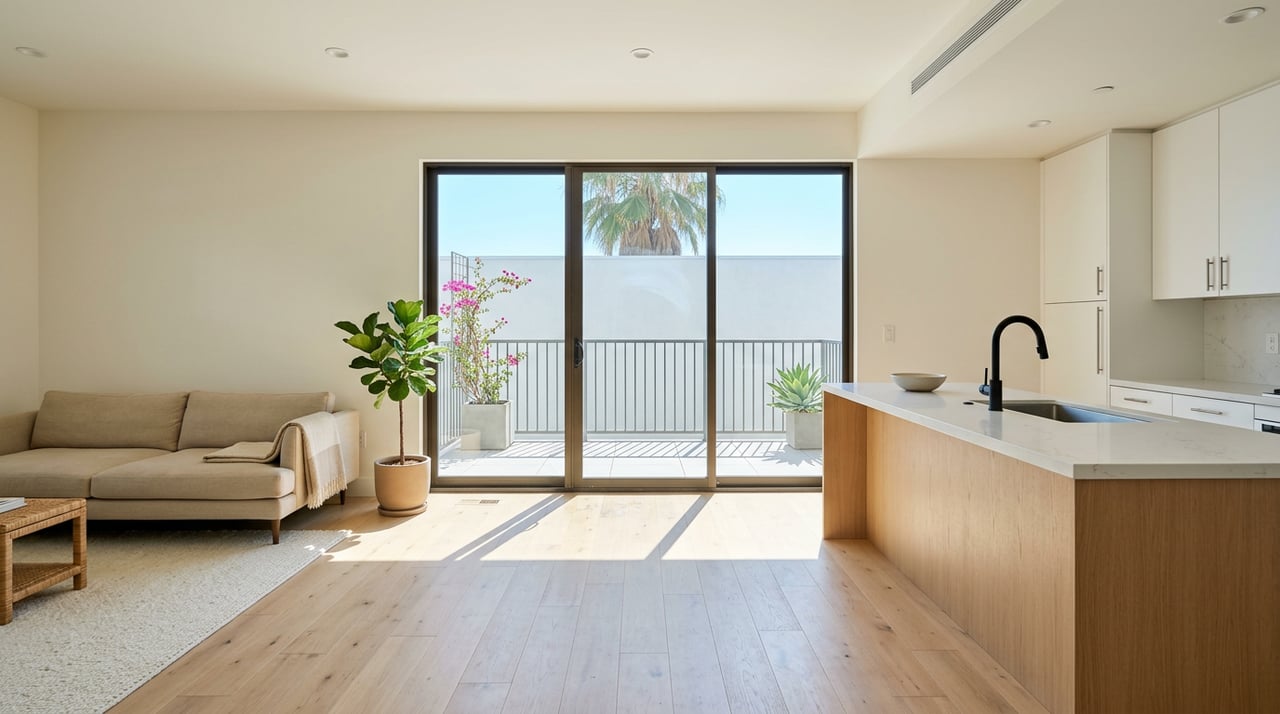
Thinking about living steps from the sand without the single-family price tag? For many buyers, a condo in Huntington Beach is the practical way to get the coastal lifestyle you want, with less maintenance and often a lower entry cost. You may be weighing neighborhoods, HOA rules, and how coastal conditions affect buildings. In this guide, you’ll learn how to choose the right community, decode HOA documents, navigate condo financing, and complete smart coastal due diligence so you can buy with confidence. Let’s dive in.
Why Huntington Beach condos
Condos offer a more accessible path into an Orange County beach location. You get proximity to the ocean, shared amenities, and a lock-and-leave lifestyle that fits busy schedules or second-home use. If you are a first-time buyer, downsizer, investor, or weekend surfer, the right condo can align lifestyle and budget while reducing exterior upkeep.
Who typically buys here
- First-time buyers who want coastal life without single-family costs.
- Downsizers seeking single-level living, elevators, and amenities.
- Second-home buyers who value low maintenance and walkability.
- Investors focused on longer-term rentals in compliant buildings.
Neighborhoods and product types
- Downtown/Pier & Main Street: Highest walkability to the beach, dining, and shops. Mix of low-rise walk-ups and mid-rise buildings with elevators and amenities.
- Seacliff and Bolsa Chica: Beach-close communities with a range of condos and townhome-style units, some gated.
- Huntington Harbour: Waterfront condos and townhomes that offer boating access and marina views, with a distinct maintenance profile.
- Sunset Beach (adjacent): A laid-back shoreline vibe with a wide beach and a mix of older and newer buildings.
- Inland pockets: Typically longer walks or drives to the sand, with more townhome-style options and often larger floor plans.
Understand HOAs and disclosures
When you buy a condo in California, you buy into a community association. The association’s finances, rules, and maintenance plans have a direct impact on your monthly costs and long-term ownership experience.
What documents you should receive
California’s Davis-Stirling Act requires sellers and associations to provide a resale disclosure package. It includes governing documents, operating and reserve budgets, insurance summaries, and recent meeting minutes. The Civil Code lists required items in Civil Code section 4525. Associations must provide requested documents within 10 days of a written request, which is why you want to order the packet immediately after offer acceptance. See the timing rules in Civil Code section 4530.
Reserves and special assessments
Healthy reserves help fund future repairs without surprise assessments. California requires associations to plan for reserves and to inspect common components on a set schedule, summarized in Civil Code section 5550. When you review the packet, confirm the latest reserve study, percent funded, near-term projects, and whether any assessments are approved but not yet billed. Underfunded reserves can mean higher risk of future special assessments.
Balconies and exterior elements (SB 326)
Condo projects with exterior elevated elements, such as balconies and walkways, must undergo periodic inspections with written reports. If an inspector identifies an immediate safety threat, the association must act quickly. Ask for the most recent report and the repair plan under Civil Code section 5551. These findings can materially affect future costs.
Key rules to scan
- Rental limits and minimum lease terms
- Pet policies and breed/weight limits
- Parking assignments, EV charging rules, and guest parking
- Architectural controls for flooring, windows, or HVAC
- Short-term rentals: Huntington Beach regulates short-term rentals, and many condo CC&Rs either prohibit them or set strict limits. Review building rules and the city’s Short-Term Rental FAQ before you plan any rental strategy.
Insurance basics for condos
Your HOA’s master policy and your personal HO-6 policy work together. Master policies vary by scope. Some cover exterior structure only, while others cover certain interior finishes to original specifications. Ask for the master policy declarations page, note the deductible, and coordinate your HO-6 coverage to fill any gaps. If the master deductible is large, confirm how the HOA funds that deductible if there is a claim.
Financing your condo
Condo loans look at the project, not just your unit. Lenders and agencies evaluate owner-occupancy, reserves, litigation, delinquency rates, and building characteristics. Early in your process, ask your lender if the project is eligible for your loan type and whether a limited or full condo review is required. For conventional loans, see how lenders interpret agency rules in the Fannie Mae Selling Guide. If you need FHA financing, confirm project status in HUD’s condominium approval search, since some projects require separate approval that can add time.
Coastal and building due diligence
Beach living comes with unique physical considerations. A thoughtful review of location-specific hazards and building condition helps you avoid surprises.
Map flood and coastal risks
- Flood zones: Check the property’s FEMA flood zone using the FEMA Flood Map Service Center. Lenders and insurers rely on these maps to determine flood-insurance requirements.
- Sea-level rise: Use the NOAA Sea Level Rise Viewer to see how 1 to 3 feet of rise could affect low-lying parcels over time. This is helpful for longer-term planning near the shoreline or wetlands.
- Tsunami planning: The California Geological Survey publishes conservative tsunami inundation maps for public safety planning. Review Orange County layers through the state’s tsunami hazard map resource and learn local evacuation routes.
Inspect for coastal wear
Salt air accelerates corrosion of metal, shortens exterior paint cycles, and can affect concealed moisture conditions. For older buildings, ask about recent roof replacements, exterior paint schedules, parking structure work, balcony repairs, and any corrosion remediation. If the HOA packet or inspections point to deferred maintenance, consider bringing in a building-envelope or structural specialist for a targeted evaluation.
Lead paint and termites
If a building predates 1978, federal lead-based paint disclosures apply. In Southern California, termite and wood-destroying organism inspections are common and useful for identifying repairs early in escrow.
Floor plan and beach-living checklist
Use this quick checklist when you tour units and study floor plans:
- Orientation and breezes: Does the unit capture or shield prevailing ocean breezes for natural ventilation?
- Balcony and outdoor space: Check size, exposure to wind and salt, and the condition of railings and decking.
- Storage that fits coastal life: Look for secure spots for surfboards, bikes, or kayaks, plus any storage lockers.
- Entry and mudroom options: Is there a space to rinse gear or manage sand before entering living areas?
- Flooring and finishes: Tile or engineered materials typically handle sand and moisture better than softwoods.
- Laundry: In-unit laundry is a convenience upgrade compared to shared facilities.
- Parking: Confirm deeded or assigned spaces, EV charging, and guest parking rules.
- Elevator reliability: For mid or high-rise buildings, check meeting minutes and reserve studies for elevator maintenance or replacement plans.
- HVAC and dehumidification: Confirm system age and who is responsible for replacement under the CC&Rs.
Step-by-step buying timeline
Follow this sequence to keep your condo purchase on track.
1) Pre-offer
Get preapproved with a lender experienced in condos and ask early about project eligibility for your loan type. For conventional loans, many lenders follow agency criteria described in the Fannie Mae Selling Guide. If you anticipate using FHA, plan ahead because project approval can add time.
2) Write your offer
Include an HOA document review contingency and inspection contingency with enough time for the association to deliver the resale packet. Under California law, associations have 10 days after a written request to provide documents, as described in Civil Code section 4530. Order the Natural Hazard Disclosure report with your offer.
3) Days 0–10 of escrow
Request the HOA resale package on day one. Confirm monthly dues, any approved assessments, reserve study and percent funded, insurance declarations and master deductible, recent minutes describing major projects or claims, CC&Rs that define rental and pet rules, and any litigation notices. The list of required items appears in Civil Code section 4525.
4) Inspections
Schedule a general home inspection and a termite/WDO inspection. If the building is older or the HOA packet hints at envelope issues, consider a building engineer. If the property includes balconies or exterior walkways, request the latest SB 326 report time frame and findings under Civil Code section 5551.
5) Financing checks
In parallel with inspections, your lender may need project documents such as the budget, most recent financial review or audit, reserve study summary, insurance certificate, owner-occupancy statistics, and assessment ledger. For FHA loans, verify project status using HUD’s condominium approval search.
6) Insurance quotes
Order your HO-6 quote and share the HOA master policy declarations page with your agent. Confirm interior coverage and loss-assessment coverage that aligns with the master deductible. If preliminary hazard checks show flood exposure, discuss whether separate flood coverage is needed.
7) Red flags to pause on
- Repeated or large special assessments in the last few years
- Very low reserve funding or an outdated reserve study
- Material litigation that could create a budget shock
- Lender feedback that the project is ineligible for your loan program
- Unresolved balcony or exterior repairs without a funded plan under SB 326
Quick buyer checklist
Keep this short list at hand and ask if you want a printable PDF version.
- HOA resale packet requested day one (Civil Code 4525/4530)
- Latest reserve study summary and percent funded (Civil Code 5550)
- SB 326 exterior elevated element report status (Civil Code 5551)
- FEMA flood zone lookup for the address using the FEMA MSC tool
- Long-term coastal outlook with the NOAA SLR Viewer
- General, termite/WDO, and any specialist inspections
- Lender confirmation of project eligibility per the Fannie Mae Selling Guide or applicable program
- HUD FHA project status if needed using the HUD lookup
- HO-6 policy quote aligned with the HOA’s master policy
- City short-term rental rules review via the Huntington Beach STR FAQ
Buying the right Huntington Beach condo is about matching your lifestyle to a building, confirming the HOA is well run, and respecting the realities of coastal ownership. When you follow a clear process and ask the right questions early, you put yourself in position to enjoy the ocean air without surprises.
Ready to explore a short list of buildings that fit your goals and budget? Schedule a confidential consultation with Shaun Hurley Homes and get expert guidance from search to keys.
FAQs
What HOA documents are required for a Huntington Beach condo purchase?
- California’s Davis-Stirling Act requires a resale packet with governing documents, budgets, reserve summaries, insurance details, minutes, and more as outlined in Civil Code 4525 and delivered under Civil Code 4530.
How do condo reserves affect what you pay later?
- Strong reserves reduce the likelihood of special assessments, while low reserve funding or an outdated study can indicate higher risk of future repair costs for owners.
What is a warrantable condo and why does it matter?
- A warrantable condo meets agency and lender criteria on occupancy, reserves, litigation, and other factors, which can improve loan options and pricing; non-warrantable projects can limit financing.
How can you check if a condo is in a flood or tsunami zone?
- Look up the address on FEMA’s Flood Map Service Center and review state tsunami planning maps, then discuss insurance and evacuation planning as part of your due diligence.
Are short-term rentals allowed in Huntington Beach condos?
- The city regulates short-term rentals and many HOAs restrict them, so review building CC&Rs and the city’s Short-Term Rental FAQ to confirm what is permitted.
Which inspections are smart for a beach-area condo?
- Order a general home and termite/WDO inspection, then consider a building-envelope or structural specialist if the HOA packet or building age suggests exterior or balcony concerns under SB 326.
