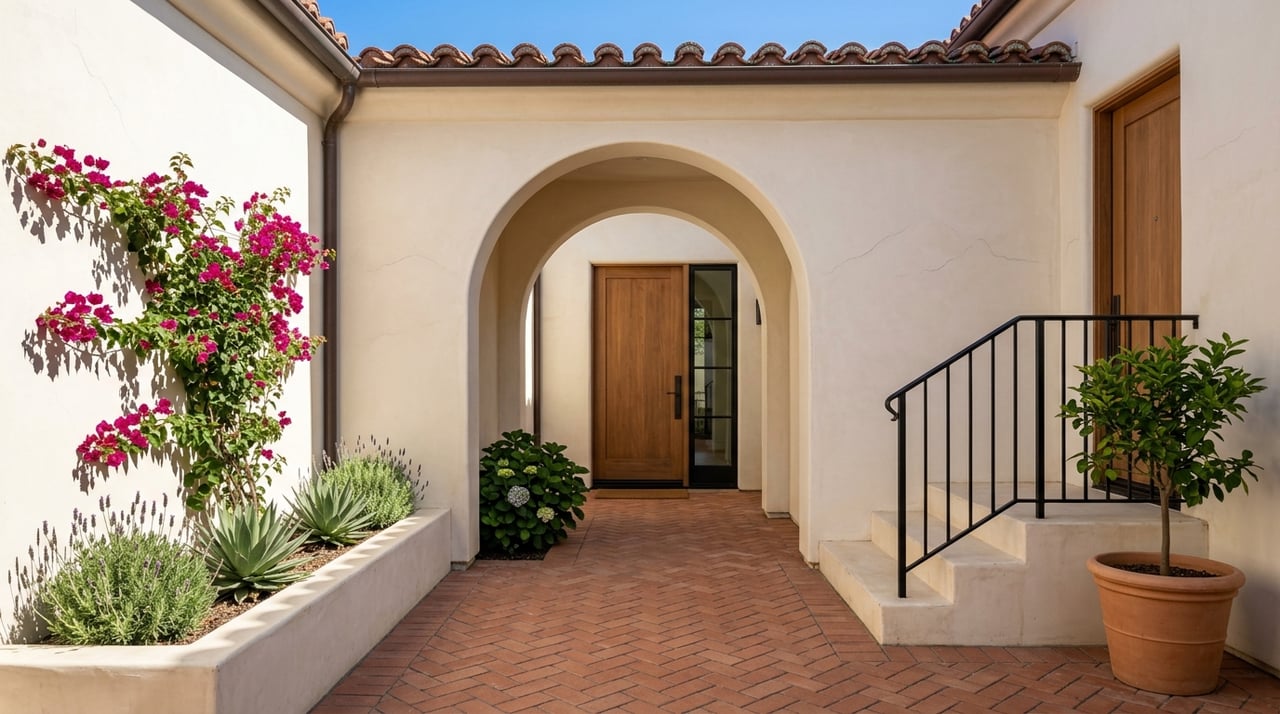
Trying to choose between a condo and a house in San Clemente? You are not alone. In a coastal market where prices are high and each neighborhood can feel a little different, the right choice often comes down to how you want to live, what level of upkeep you want to handle, and how carefully you want to manage long-term costs. This guide will help you compare both options in a practical way so you can move forward with more clarity and confidence. Let’s dive in.
San Clemente Market Snapshot
San Clemente is not a one-size-fits-all market. According to the City of San Clemente General Plan information, the city includes communities with different development patterns, uses, and architectural styles, including areas such as Pier Bowl, Rancho San Clemente, Talega, and Marblehead.
That local variety matters when you are choosing between a condo and a house. Your decision is not just about square footage. It is also about how a specific community is planned, what kind of ownership structure comes with the property, and how that fits your lifestyle.
Price is another big part of the conversation. Recent market snapshots show San Clemente median sale prices ranging from about $1.655 million to $1.685 million, with listing prices higher in some reports, which points to a market that remains expensive and relatively tight according to Redfin market data. Detached homes have also stayed elevated, with PropertyShark reporting a median house sale price of $1.7 million in Q4 2025.
In simple terms, condos and townhomes can offer a lower entry point than detached homes, but attached housing in San Clemente is still a major purchase. That is why the better question is often not just, “Which is cheaper?” but “Which gives you the best fit for your budget and goals?”
Condo vs House Basics
At the highest level, condos and detached houses solve different problems. A condo or townhome often appeals to buyers who want simpler day-to-day ownership, while a detached house usually appeals to buyers who want more control over the property.
Under California’s Davis-Stirling rules on maintenance responsibility, the homeowners association generally maintains common areas, while the owner is responsible for the separate interest and, in many cases, exclusive-use common areas unless the governing documents say otherwise. That legal structure is a big reason condos and townhomes often feel more low maintenance than detached homes.
A detached house usually gives you more privacy, more control over outdoor space, and more freedom to customize. The tradeoff is that you are typically taking on more direct responsibility for repairs, maintenance, and project management.
When a Condo Makes Sense
A condo or townhome may be the better fit if your top priority is convenience. If you want a lock-and-leave property for travel, a second home, or simply less weekend maintenance, attached living can be a smart option.
This can be especially appealing in San Clemente, where coastal ownership comes with both value and complexity. If you prefer shared maintenance over handling exterior upkeep yourself, a condo may align better with your lifestyle.
You may want to lean toward a condo or townhome if you are looking for:
- Lower-maintenance living
- Shared amenities
- Less exterior upkeep
- A possible lower entry cost than a detached home
- A property that works well for part-time use
That said, lower maintenance does not mean no oversight. With an HOA property, you need to understand the association’s financial health, rules, and long-term repair planning before you commit.
When a House Makes Sense
A detached house may be the stronger choice if you want more autonomy. You may value having a yard, extra separation from neighbors, more room for outdoor entertaining, or the ability to renovate with fewer shared-property limitations.
For buyers planning to stay longer term, that extra control can be worth the additional cost and upkeep. A house can also make more sense if your vision includes projects over time, such as reworking the outdoor space or making larger property-specific improvements.
You may want to lean toward a house if you are looking for:
- More privacy
- More control over the lot and exterior
- Yard space or room for outdoor use
- Greater flexibility for updates and customization
- A long-term ownership plan
The key tradeoff is responsibility. In most cases, more freedom also means more maintenance, more repair exposure, and more property-specific due diligence.
Compare Monthly Ownership Costs
The purchase price is only part of the story in San Clemente. Your true monthly cost can look very different depending on whether you buy a condo or a house.
Property taxes are one major factor. The Orange County Assessor says county property tax rates average about 1.1% of taxable value, and your bill can also include bonded indebtedness, special assessments, or Mello-Roos depending on the area.
For condos and townhomes, you also need to factor in HOA dues. Those dues may cover some shared maintenance and other association costs, but they also affect monthly affordability. On top of that, if an HOA is underfunded, owners may face future assessments.
Here is a simple comparison:
| Cost Factor | Condo or Townhome | Detached House |
|---|---|---|
| Purchase price | Often lower than a house | Often higher |
| HOA dues | Usually yes | Sometimes, depending on community |
| Exterior maintenance | Often shared through HOA | Usually owner responsibility |
| Property taxes | Based on taxable value and local assessments | Based on taxable value and local assessments |
| Repair exposure | Shared systems may reduce some direct responsibility, depending on governing docs | More direct responsibility for the property |
A lower list price does not always mean a lower ownership burden. You want to compare the full monthly picture, not just the sales price.
Review HOA Documents Carefully
If you are considering a condo or townhome, HOA due diligence is not optional. California law requires sellers to provide a package of documents that can include governing documents, financial statements, reserve information, and assessment disclosures under Civil Code Section 4525.
That disclosure package can tell you a lot about the stability of the community. It is one of the most important tools you have for understanding whether the property is truly a good fit.
Pay special attention to:
- Monthly dues
- Reserve funding
- History of special assessments
- Maintenance obligations
- Parking and storage rules
- Rental restrictions
- Insurance responsibilities
You should also review the HOA’s annual financial disclosures, since California law requires associations to provide budget and reserve information. In a high-cost market, strong document review can help you avoid expensive surprises later.
Consider Rental Plans Early
If rental income matters to you, this question should come up before you make an offer. In San Clemente, rental flexibility depends on both city rules and HOA rules.
At the city level, San Clemente’s short-term lodging rules require a permitting process for short-term lodging, and the city charges a 10% transient occupancy tax on short stays. The city also notes that continuous stays of 29 days or longer at a registered vacation rental property may qualify for a tax exemption.
At the HOA level, California law allows associations to prohibit short-term rentals of 30 days or less, subject to certain existing rights under older restrictions, as outlined in Civil Code Section 4740. That means a property that looks great on paper may not support the rental plan you have in mind.
If you are buying with rental potential in mind, confirm these items early:
- Whether the city allows the intended use
- Whether the HOA limits or prohibits rentals
- Minimum lease terms
- Any permit or tax requirements
- Whether the property still works for you if rental use is limited
Factor in San Clemente Risk Exposure
In a coastal market, location-specific risk review matters for both condos and houses. San Clemente’s emergency planning resources highlight flood and FEMA map review, sea-level-rise hazards, wildfire exposure in the Wildland Urban Interface, and winter-storm risks that can lead to localized flooding, erosion, and slope failure.
These issues are especially important if you are looking near the coast, bluffs, or canyons. A detached house may expose you more directly to some site-specific maintenance and risk questions, but condo buyers still need to understand how the building, site, and insurance structure interact.
Insurance is a big part of this conversation. According to FEMA flood insurance guidance, standard homeowners insurance typically does not cover flood damage, so you should verify whether separate flood coverage may be needed.
This is one of the most overlooked parts of the condo-versus-house decision. A property can feel perfect until insurance, hazard review, and ongoing risk costs are added to the full ownership picture.
A Simple Decision Framework
If you are still deciding, a practical framework can make the choice clearer. Start with how you want to live, then pressure-test the numbers and the rules.
Choose a condo or townhome if you want easier upkeep, more lock-and-leave convenience, and you are comfortable with HOA dues and governance. Choose a detached house if you want more privacy, more outdoor control, and more customization flexibility, and you are prepared for higher hands-on ownership responsibility.
Then review the details that matter regardless of property type:
- Monthly payment and tax impact
- HOA dues and reserve strength
- Special assessment risk
- Insurance coverage
- Parking and storage needs
- Rental restrictions
- Flood, wildfire, bluff, or slope exposure
In San Clemente, the smartest decision is usually the one that balances lifestyle fit with technical due diligence. If you want a calm, detailed review of the tradeoffs between specific condo, townhome, and house options, Shaun Hurley Homes can help you compare the numbers, documents, and property-level risks so you can make your move with confidence.
FAQs
What is the main difference between buying a condo or a house in San Clemente?
- A condo or townhome usually offers shared maintenance through an HOA, while a detached house usually gives you more privacy, outdoor control, and direct responsibility for upkeep.
How do HOA rules affect condo purchases in San Clemente?
- HOA rules can affect maintenance obligations, monthly dues, reserve funding, parking, storage, insurance responsibilities, and rental flexibility, so reviewing the disclosure package is essential.
Are property taxes different for condos and houses in Orange County?
- Both are generally subject to Orange County property tax rules, which average about 1.1% of taxable value, though actual bills may also include bonded debt, special assessments, or Mello-Roos where applicable.
Can you use a San Clemente condo as a short-term rental?
- Possibly, but you need to confirm both the city’s short-term lodging requirements and the HOA’s rental rules, since either one can limit or prohibit that use.
What risks should buyers review for homes in San Clemente?
- Buyers should review flood exposure, wildfire risk, sea-level-rise concerns, bluff or slope issues, storm-related flooding or erosion, and whether separate flood insurance may be needed.
